


Loovi
membership
-
Blood analysis2 times/year
-
Video appointment with a doctor2 times/year
-
Measurement of your physical development6 times/year(optional)The tests measure VO2 max, strength and mobility.
-
Video appointment with a health coach6 times/year
-
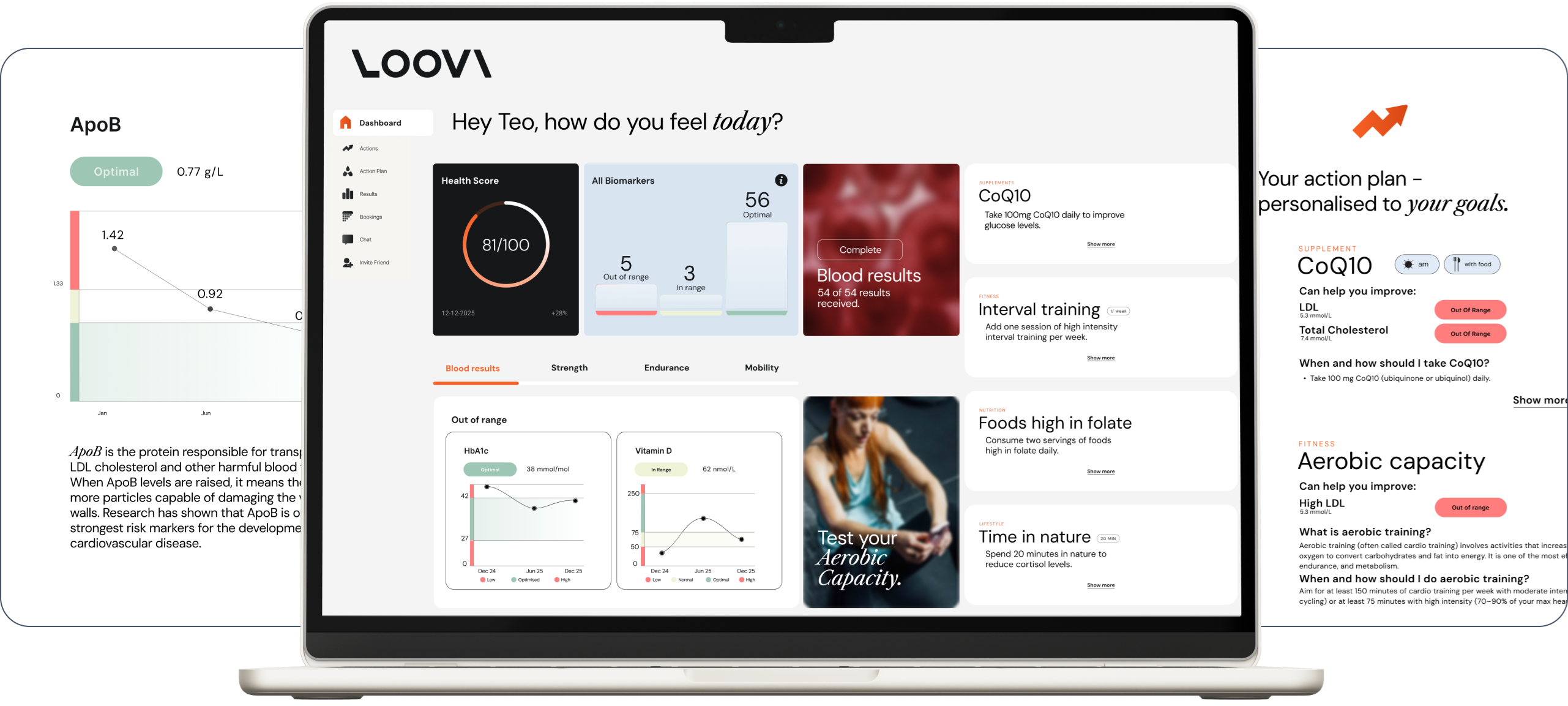
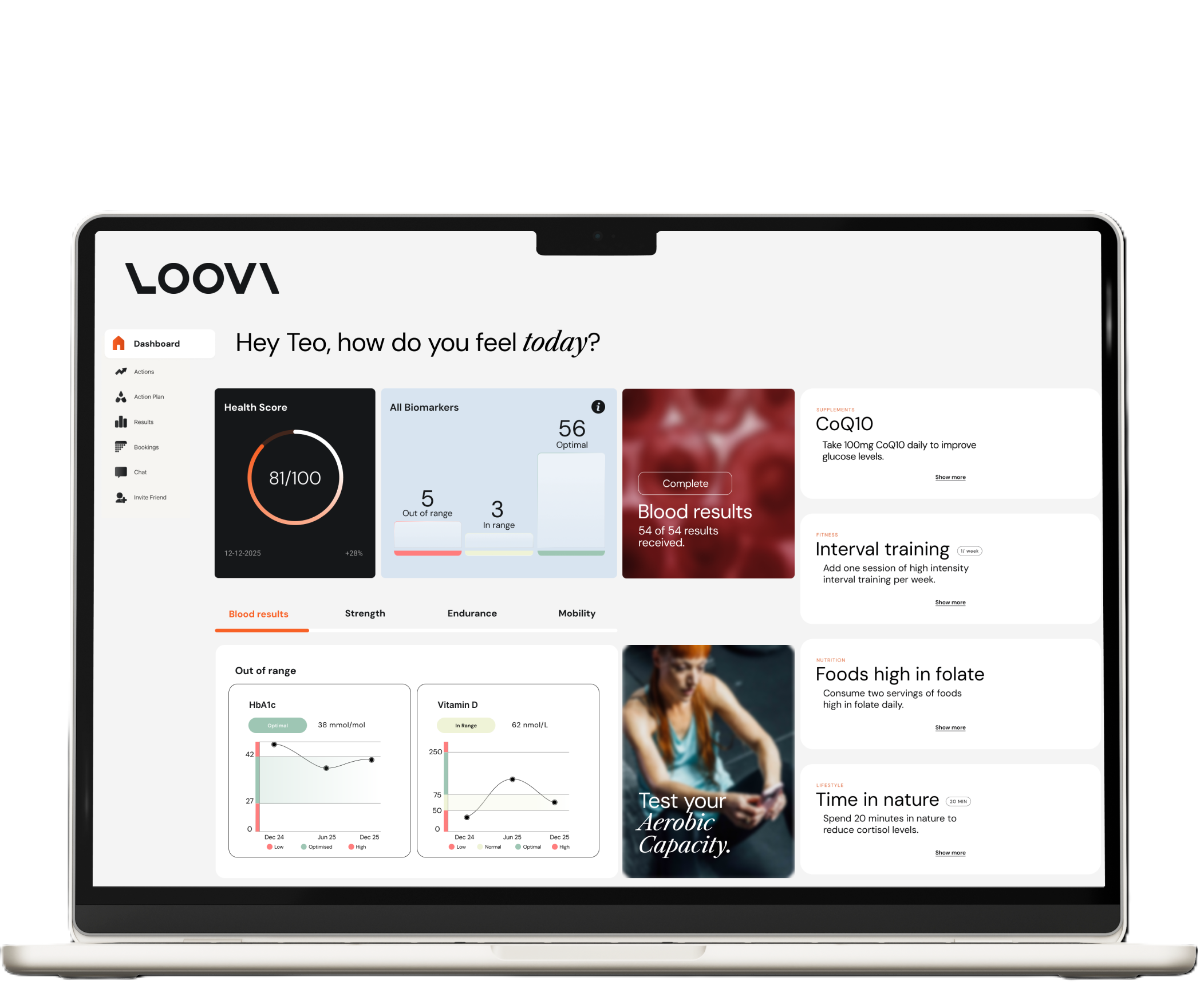
Longevity dashboard:Real-time overview of your blood analyses as well as fitness and lifestyle biomarkers for immediate insight into your current health status and progress.
-
Health plan:with recommendations for diet, training, supplements and lifestyle. The plan is continuously adjusted based on your blood values and test results.
-
Unlimited chat support with your health team:Ask questions and get guidance between tests and follow-ups. Choose to chat with your doctor, PT, physiotherapist, or nutritionist for practical support with your plan and ongoing advice on training, nutrition, and injuries.
Own your health with Loovi
Sweden’s first longevity program built around you. Driven by data. Backed by science. With your own team of doctors, personal trainers, and experts.
How Loovi works
You take blood tests twice a year at one of Loovi’s 80+ clinics. For those looking to optimise their training results, physical performance tests are also included.

After each blood test, you and Loovi's doctor go through the test results. You also have the chance to ask all questions you have about your health.

Your dedicated Loovi team designs a personalised Action plan with fitness and nutritional guidance, based on your individual metrics and goals.

Between test occasions, the health team follows your progress and answers questions that come up in the chat. The health plan is constantly updated according to your needs.

In-depth analysis to reveal your complete health profile
With a standard blood test, we measure key biomarkers to prevent health issues and optimise performance: from blood lipids and blood sugar to vitamin levels and hormonal status. Test clinics are available globally.

The Loovi team helps you identify what you need support with in your daily life – and the results you want to achieve. This needs assessment sets the foundation for your personalised Action Plan, designed jointly by your doctor, personal trainer, physiotherapist, and nutritionist.

The physical tests are optional but can help you improve your cardiovascular health and training results more effectively. They are simple to carry out yourself, either at home or at the gym.

An Action Plan built around your goals and challenges
Get expert help interpreting your blood work and answers to any health-related questions. You choose how much detail you want from your results, and we’ll let you know if any value should be followed up at a healthcare centre.

Maybe you want the optimal outcome from every minute invested in your fitness routine. Or have the physical ability to run a 10k when you're 90.. Whatever you’re goals are, your PT will design a personalised plan rooted in science to take you there.

Is your body missing something essential? Loovi’s personalised nutrition advice helps you eliminate any guesswork, optimise your results and restore any imbalances detected in your bloodwork, so you can eat with confidence without second guessing what you need.

A commited team to your unique needs and health data

Support as you move through life

An app dedicated to your health
60+ biomarkers show the function of all major organs
ALT
An analysis of ALT levels provides information about the health of your liver. ALT is an enzyme in the liver that helps convert protein into energy. If your liver cells are damaged due to excessive alcohol consumption, drugs, illness or injury, ALT will be released into the blood and can be detected by a blood test.
ALP
ALP levels can be a useful tool to detect and monitor diseases of the liver, autoimmune disease, skeletal disease or malnutrition. ALP is an enzyme that breaks down protein in the body. It is found throughout the body, but is most concentrated in the liver, bones, intestines and kidneys.
AST
AST is an enzyme found mainly in the liver that metabolizes amino acids. Testing AST levels in the blood can detect liver problems that may be caused by injuries or conditions such as hepatitis, cirrhosis, mononucleosis, heart problems, pancreatitis or other liver diseases.
Bilirubin
Bilirubin is produced when red blood cells break down and is transported to the liver to be excreted in bile. It also functions as an antioxidant in the body. Raised levels may indicate liver disease, bile duct problems, or increased breakdown of red blood cells (haemolysis). Moderately elevated values are sometimes seen in benign conditions such as Gilbert's syndrome, while very high levels can cause jaundice.
GGT
Keep track of your liver health with GGT. This test aids in the detection of liver disease, bile duct obstruction, and conditions associated with alcohol consumption and toxins. The GGT biomarker is a reliable detector (but not a diagnostic test) for alcohol-related poisoning or fatty liver, even when other liver tests are normal.
Albumin
Abnormal albumin levels can indicate malnutrition, liver disease, kidney disease or inflammatory bowel disease (e.g. Crohn's or Celiac disease) which hinders absorption of nutrients. Albumin is a protein synthesized in the liver that helps maintain fluid within the bloodstream and prevents leakage into other tissues in the body. It also aids in the transportation of hormones, vitamins, and enzymes to their final destinations in the body.
Cystatin C
Cystatin C serves as an alternative marker for measuring kidney function, that differs from the traditional marker creatinine. A major advantage of cystatin C is that it is not affected by factors such as muscle mass, diet, age or gender, which can affect creatinine levels and thus give an inaccurate assessment of kidney function.
Calcium
Calcium levels help to understand symptoms related to the kidneys, bones, thyroid, parathyroid or nerves.
Potassium
Potassium levels in the body are an important parameter used to detect various diseases and disorders, such as kidney disease, liver disease, heart failure and high blood pressure. Potassium is an electrolyte that is important for many functions in the body, including muscle contraction, digestion, nerve function and the regulation of fluid balance and blood pressure.
Creatinine
Levels of creatinine vary from person to person, but abnormal levels usually signal kidney disease or damage. Creatinine levels can be affected by many factors, such as age, gender, muscle mass, diet, medication and physical activity. Creatinine (not to be confused with creatine) is a chemical compound formed from the daily breakdown of muscle.
Sodium
Sodium is an important parameter used to examine electrolyte balance and pH in the body. Abnormal levels of sodium can indicate problems in various organs of the body, such as the brain, lungs, liver, heart, kidneys, thyroid and adrenal glands. Sodium is an electrolyte and mineral that plays an important role in maintaining the balance of water and electrolytes in the body.
ApoA1
Apolipoprotein A1 is a component of 'good cholesterol' (HDL) and can be used as an indicator of a person's cardiovascular health status. ApoA1 is essential for the function of HDL and helps to reduce the risk of cardiovascular diseases such as heart attack, heart failure and stroke by removing excess cholesterol from blood vessels. High levels of ApoA1 indicate a reduced risk of developing cardiovascular disease.
ApoB
About 50% of people who suffer heart attacks have normal cholesterol levels. Research has revealed that ApoB stands out as one of the primary risk indicators for cardiovascular disease. Despite its significance, this invaluable test is primarily utilized by specialists and testing of ApoB has yet to become a standard practice within primary care. ApoB helps to transport lipids through the bloodstream, which is essential for good cardiovascular health.
HDL
HDL is always part of a comprehensive lipid panel and plays a significant role in evaluating the risk of heart disease. There are two types of cholesterol: high density lipoprotein (HDL) and low density lipoprotein (LDL). Think of H as healthy, helpful and heart-protective. HDL is the cholesterol that helps reduce plaque build-up.
LDL
This test is a risk marker for cardiovascular disease. The LDL molecule transports cholesterol to the body's cells. Despite its important role, LDL is commonly referred to as 'bad' cholesterol. This is because high levels can lead to the formation of plaque in the arteries, which can increase the risk of cardiovascular disease.
Cholesterol
Measuring total cholesterol levels is an important part of assessing the risk of heart disease. When blood cholesterol levels become too high, they can cause damage to blood vessels, increasing the risk of stroke, heart attack and other heart diseases. Cholesterol is produced by the liver and is essential for thousands of functions in the body, such as building cells, promoting hormone and brain function, and synthesizing vitamin D.
Triglycerides
The ratio of triglycerides to HDL is an indicator of the risk of heart disease. Triglycerides are the most common type of fat in the body that stores excess energy from the food we eat. High concentrations of triglycerides in the blood can indicate that there is too much fat in the blood, which increases the risk of cardiovascular events.
Hb (hemoglobin)
Hemoglobin reflects the number of red blood cells that are active in the blood. Low levels can be caused by anemia, vitamin deficiency, bleeding (both internal and external) and chronic diseases. The test can also help detect diseases affecting the lungs, liver, kidneys, the cardiovascular system, significant long-term infection, specific types of cancer, as well as diagnose chronic blood diseases.
Erythrocytes
Erythrocytes, also known as red blood cells, play a vital role in the body's circulatory system by carrying oxygen from the lungs to the body's tissues. The erythrocyte count can reveal different types of anemia, vitamin deficiencies, autoimmune diseases, blood disorders, polycythemia vera, congenital heart disease, and issues related to the colon, bladder, or kidneys.
MCV
MCV is a unique indicator of overall health as it reflects the state of the blood. By measuring the average size of red blood cells, one can get information about possible deficiencies in the body. If the MCV is too high or low over an extended period of time (most likely indicating a chronic vitamin deficiency or blood disease), it can impair the body's overall well-being and thus increase a person's phenotypic age.
MCH
MCH is an important component of a complete blood test, as it can reveal several health conditions that can negatively affect the body. MCH can help detect anemia, which is a common disease caused by a lack of iron, B12 or folate. MCH measures the average amount of hemoglobin in the red blood cells.
EVF
As part of a complete blood test, EVF measures the percentage of red blood cells in the blood. The test screens, diagnoses and monitors conditions that affect the blood or bone marrow.
LPK (leukocytes)
Leukocytes (LPK), also known as white blood cells, are an important part of the immune system and are responsible for protecting the body against infections as well as diseases. A healthy LPK level means that the body is ready to fight diseases or other threats to the body. If LPK levels are abnormal for an extended period of time, this can affect the body's ability to fight disease and infection, leading to health problems. A healthy lifestyle can help maintain a good LPK level. This includes eating a balanced diet, exercising regularly, getting enough sleep and avoiding bad habits such as smoking and excessive alcohol consumption.
TPK (platelets)
An abnormal platelet count can indicate an increased risk of heart attack, stroke and other heart diseases. But this test can also help diagnose autoimmune diseases, bone marrow damage (which can be caused by certain cancers, such as leukemia), disorders of the spleen, and parasitic infections. Platelets, formed in the bone marrow, are small, colorless blood cells that form clots to stop bleeding.
PSA
The prostate-specific antigen (PSA) is a protein synthesized by the prostate. The PSA test serves as a vital tool in the detection of prostate cancer, as well as in monitoring the disease's progression and the effectiveness of treatment. Elevated levels of PSA can indicate a higher likelihood of prostate cancer, but it does not necessarily confirm the presence of cancer in an individual. Other conditions, such as prostate inflammation or benign prostate enlargement, can also cause an increase in PSA levels. LOOVI analyses PSA in men who are 40 years or older.
Basophils
Basophils are a type of white blood cell that form part of the immune system. They are relatively few in number but play an important role in allergic reactions and inflammation, mainly by releasing histamine. Elevated levels may occur in allergies, certain blood disorders or chronic inflammation, while low levels usually have little clinical significance.
Eosinophils
Eosinophils are white blood cells that fight parasites and are also involved in allergic responses. Raised levels are often seen in conditions such as asthma, hay fever, eczema or parasitic infections. Very high eosinophil counts can indicate rarer conditions such as eosinophilic oesophagitis or certain blood disorders. Low levels are generally harmless.
hsCRP
High sensitivity C-reactive protein (hsCRP) is a marker that can give an indication of an individual's overall health as it rises during inflammation. Chronic inflammation is linked to all major diseases: including heart disease (even before symptoms appear), type 2 diabetes, cancer, hypertension, Alzheimer's dementia, depression, autoimmune diseases and asthma. It is important to note that high levels of hs-CRP do not necessarily indicate that a person will develop a disease, but it can be a warning signal to take preventive measures to protect one's health.
Lymphocytes
Lymphocytes are a type of white blood cell that form a central part of the immune system. They include T-cells, B-cells and NK cells, each with specific roles in recognising, fighting and remembering infections. High levels may suggest viral infections, certain blood disorders or autoimmune conditions, while low levels may occur with weakened immunity, prolonged stress or after treatment with immunosuppressive medicines.
Monocytes
Monocytes are large white blood cells that can develop into macrophages, which clear away dead cells, fight bacteria and regulate inflammation. Raised levels are often seen in chronic infections, inflammation or blood disorders, while low levels may occur in certain bone marrow diseases or after treatments that affect the immune system.
Neutrophils
Neutrophils are the most common type of white blood cell and the body's first line of defence against bacterial infections. They attack and break down bacteria and damaged tissue. High levels are often seen in acute infections, stress or during corticosteroid treatment, while low levels increase the risk of infection and may be due to viral infections, bone marrow disease or side effects of medication.
ESR (Erythrocyte Sedimentation Rate)
MIME-Version: 1.0 Content-Type: text/plain; charset=UTF-8 Content-Transfer-Encoding: 8bit X-Generator: lokalise.com Project-Id-Version: Loovi Phx PO-Revision-Date: 2025-07-04 17:02 Last-Translator: lokalise.com Language-Team: lokalise.com Language: en
Ferritin
Ferritin levels can be used to diagnose iron deficiency, liver disease, inflammation or insulin resistance. Ferritin is a protein that stores iron in cells and then releases the iron when the body produces more red blood cells.
Folate
Folate, also known as vitamin B9, is always part of a complete blood health analysis. Folate has several important functions in the body, including producing red blood cells, building DNA for cell division, and supporting normal fetal development during pregnancy. Adequate folate levels also reduce the risk of diseases such as Alzheimer's dementia and bowel cancer.
Homocystein
Homocysteine is an amino acid formed when the body breaks down the protein methionine. Normally, it is processed with the help of folate, vitamin B6 and vitamin B12, but if these nutrients are lacking, homocysteine levels can rise. Elevated homocysteine is a risk marker for cardiovascular disease, blood clots and stroke, as it can damage the inner lining of blood vessels (the endothelium). High levels have also been linked to reduced cognitive function and osteoporosis. Low levels are not known to have any negative effects.
Iron
Healthy iron levels create vitality in the body. Iron plays an important role in numerous vital functions, including providing energy and mental focus, fostering a robust gastrointestinal tract, fortifying the immune system, and regulating body temperature. Iron deficiency can lead to many biological problems, including anemia.
Magnesium
Magnesium is an essential mineral for the body's cells to produce energy, for chemical pumps in cells to work and for stabilizing cell membranes. In addition, magnesium helps keep muscles relaxed. Insufficient magnesium levels can influence the balance of calcium, potassium, phosphorus, and parathyroid hormone in the body. This test helps evaluate the absorption of magnesium and helps determine if there are problems with kidney function or the gastrointestinal tract.
Vitamin B12
Vitamin B12, also known as cobalamin, is a vital vitamin for humans as the body cannot produce it itself. Vitamin B12 is needed for the formation of red blood cells, to support brain and nervous system function, and for the genes required for cell division. A lack of B12 can lead to premature ageing.
Vitamin D
Vitamin D deficiency is often underdiagnosed and undertreated. Over time, low levels of vitamin D can lead to hypothyroidism, osteoporosis, cancer, heart disease, fatigue, depression, seasonal affective disorder (SAD), bowel problems and fibromyalgia. Vitamin D has a comprehensive role and benefits the immune system, thyroid, muscles, brain, bones and teeth.
Glucose
Too much glucose in the body, known as hyperglycemia, is considered one of the main drivers of a number of diseases such as cancer, diabetes, high blood pressure, heart attacks, kidney disease and Alzheimer's disease. Glucose is an important source of energy for the body and is derived from the sugars in our diet. However, if not absorbed and used by the body's cells, glucose can be converted into glycogen and stored in the fat cells of the liver.
HbA1c
HbA1c represents the average number of glucose molecules bound to blood cells over the last 90 days. The test is used to diagnose, screen and monitor prediabetes and diabetes. This test provides an insight into the body's ability to control blood sugar levels. Unhealthy levels can be triggered by inflammation, vitamin deficiencies, kidney damage, thyroid disease, etc. Notably, a person's dietary choices and lifestyle habits can significantly influence the outcomes of this test.
Bioavailable testosterone
Bioavailable testosterone refers to the fraction of testosterone that is either free or loosely bound to albumin – in other words, the part that the body can actually use. Unlike total testosterone, which also includes the portion tightly bound to SHBG (Sex Hormone Binding Globulin), bioavailable testosterone provides a more accurate reflection of the hormone's true effect in the body. It influences muscle mass, libido, bone health, energy and mood. Low levels may lead to fatigue, reduced sexual function and decreased muscle strength, while high levels are sometimes seen in certain hormonal disorders or with the use of anabolic steroids.
Cortisol
Cortisol is a hormone produced in the adrenal glands and is often referred to as the body's stress hormone. It plays a vital role in regulating metabolism, blood sugar, blood pressure and the body's response to stress. Cortisol levels normally follow a daily rhythm – highest in the morning and lowest in the evening. Persistently elevated levels may indicate chronic stress, depression or Cushing's syndrome, while low levels can be seen in Addison's disease or adrenal insufficiency. Both excessively high and low cortisol levels can affect energy, weight, immune function and overall wellbeing.
Progesterone
Progesterone is a sex hormone produced mainly after ovulation and is essential for preparing the uterine lining for pregnancy. It also helps regulate the menstrual cycle and counteracts some of the effects of oestrogen, creating hormonal balance. Low levels may cause irregular periods, difficulties conceiving or an increased risk of miscarriage, while raised levels are commonly seen during pregnancy. Outside of pregnancy, abnormal progesterone levels may sometimes be due to hormone-producing tumours or medication.
SHBG
SHBG is a transport protein that binds sex hormones, mainly testosterone and oestrogen, and regulates how much of them are biologically active in the body. High SHBG levels can reduce the amount of free testosterone and are seen in conditions such as hyperthyroidism, liver disease or during oestrogen treatment. Low SHBG levels can increase the proportion of free testosterone and are associated with insulin resistance, overweight, PCOS and hypothyroidism.
Testosterone
Healthy levels of testosterone are essential for overall well-being in both men and women. The test helps to evaluate functions associated with testosterone levels such as fertility, sexual function, muscle mass, energy, mood, insulin sensitivity/resistance and pituitary function. The test can also be used to screen for prediabetes.
Oestradiol
Oestradiol is the most active form of oestrogen in women of reproductive age and plays a key role in the menstrual cycle, fertility and bone density. It also affects the brain, skin, blood vessels and metabolism. Low levels may cause symptoms such as hot flushes, vaginal dryness and an increased risk of osteoporosis, while high levels can occur in certain tumours or during hormone therapy. Maintaining balanced oestradiol levels is important both for reproductive health and for long-term cardiovascular and metabolic health.
T3-free
Thyroid T3 levels can indicate whether the thyroid is overactive (hyperthyroidism) or underactive (hypothyroidism or Hashimoto's). T3 is the most powerful thyroid hormone in the body. It helps regulate body temperature, control heart rhythm, lower cholesterol levels, improve memory, promote hair growth after hair loss, relieve muscle pain and promote fertility.
T4-free
Usually this test is used in combination with TSH and T3 to get a comprehensive assessment of the thyroid function. Thyroxine (T4) is synthesized within the thyroid gland before being released into the bloodstream, where it is carried to the liver and kidneys. In these organs, it undergoes conversion into the hormone triiodothyronine (T3). The interplay between T4 and T3 plays a crucial role in heart function, digestion, metabolism, brain development, bone health, and muscle control.
TSH
Approximately 1 in 5 women and 1 in 10 men suffer from hypothyroidism, a condition where the thyroid gland is underactive. Conducting a TSH test can aid in the detection of thyroid diseases. The pituitary gland generates TSH (thyroid-stimulating hormone), which regulates the production of thyroid hormones called triiodothyronine (T3) and thyroxine (T4).
Physical tests
We estimate your aerobic capacity using validated VO2 Max tests.
VO2 Max, or maximal oxygen uptake, is the maximum amount of oxygen your body can use during exercise. It is one of the most precise measures of cardiorespiratory fitness and a strong predictor of health, long term risk, and longevity.
How we estimate your VO2 Max
To get a clear picture of your current fitness level, we estimate your VO2 Max using a structured exercise test. You can choose whether you prefer running or cycling and simply report your result in the platform. The test can be performed at the gym (treadmill or stationary bike), outdoors, or on a running track.
The test follows a standardized protocol, and Loovi calculates your VO2 Max based on your sex, weight, and age. These methods show strong accuracy in large studies and provide a clear estimate of your aerobic capacity.
By using the same test protocol over time, you can track progress and see how your VO2 Max changes as you follow your plan.
The test is self administered with simple instructions from Loovi.
Optional clinical testing
Would you like to complement your program with one or more VO2 Max tests in a clinical setting?
Contact Loovi Support and we will help you find and book a test where available.
Mobility describes how freely and with how much control you can move your body in everyday life and training. Good mobility can reduce the risk of compensating in your movement patterns, which often contributes to recurring stiffness, overuse discomfort and injuries.
Our mobility tests provide a clear picture of your mobility in key movement patterns challenged in both training and daily life. The results help us give you personalized guidance so you can move more freely and train more sustainably over time.
How we test your mobility
You perform the tests yourself using clear instructions from Loovi. The tests are standardized to produce comparable results over time. You simply report your results in the platform and receive an updated overview showing your current level and which areas are most important to improve.
Mobility Index
The Mobility Index is a composite score between 1 and 100 that reflects your current mobility from a health perspective. It places your mobility in a health relevant context and shows how well your current level supports function, movement quality, and lifelong independence.
The index is based on a calibrated combination of two areas:
- Upper body mobility
- Lower body mobility
A score of 100 means you are at the top of the Loovi Mobility Index, a level considered optimal for moving freely in everyday life and training effectively with good technique. However, it does not mean your flexibility is "maxed out." It means you have functional, controlled mobility, where more is not always better.
Muscular endurance describes how long your muscles can work with quality before fatigue sets in. It affects how well you can train, but also how your body performs in everyday life. When muscular endurance is strong, it becomes easier to maintain stable posture and handle physical tasks without your body starting to compensate.
Our standardized endurance tests give you a clear picture of your current level and highlight the areas that will make the biggest difference to improve.
How we test your muscular endurance
You perform the tests yourself using clear instructions in Loovi. The tests are standardized to produce comparable results over time. You report your results in the platform and receive an updated overview showing your current level, what to prioritize next, and a clear target for your next test.
Muscular Endurance Index
The Muscular Endurance Index is a composite score between 1 and 100 that describes your muscular endurance with a focus on health span. The metric places your endurance in a health relevant context and shows how well your current level supports everyday function and long term health.
The index is based on a calibrated combination of three categories:
- Upper body endurance
- Core endurance
- Lower body endurance
A score of 100 means you are at the top of the Loovi Endurance Index, a level considered highly supportive of long term function and health. However, it does not mean that you have reached your absolute potential for muscular endurance in training or sports.
Strength and muscle mass are important markers of long term health and are associated with a lower risk of several chronic diseases, including type 2 diabetes and cardiovascular disease, as well as a reduced risk of certain cancers. Strength training can also improve bone density and physical function, which in turn may reduce the risk of falls and fractures.
Our strength tests give you a clear picture of your current strength level and highlight the areas that are most important for you to develop.
How we test your strength
You perform the strength tests at the gym using clear instructions from Loovi. You simply report your results in the platform and receive an updated overview showing your current level and a clear target for your next test.
Loovi's team has selected and standardized tests that reflect your strength in key functional movements. Among other things, we measure grip strength and leg and hip strength, two strength indicators with strong evidence and a clear connection to long term health. The interpretation is based on large studies with reference levels adjusted for age and sex.
Loovi Strength Index
The Loovi Strength Index is a composite score between 1 and 100 that describes your muscular strength with a focus on health span. The metric places your strength in a health relevant context and shows how well your current level supports long term function and health.
The index is based on a calibrated combination of three categories:
- Upper body strength
- Leg and hip strength
- Grip strength
A score of 100 means you are at the top of the Loovi Strength Index, a level considered highly supportive of long term function and health. However, it does not mean that you have reached your absolute potential for strength in training or sports.
Questions and Answers
Loovi is designed for those who want to measure, track and optimise their health in a far more precise and inspiring way than before. Through regular blood tests and physical assessments, you get support in detecting risk factors early and identifying what you need to focus on today to stay healthy and strong throughout life.
The programme includes comprehensive blood analyses twice a year, with a follow-up medical consultation via video call. You also receive six personal coaching sessions annually with your Loovi PT, also via video call. Physical assessments and follow-up consultations are optional, but invaluable if you want the best possible foundation to understand, track and optimise your health over time.
The blood analysis is carried out twice a year with a standard blood sample at one of Loovi’s 80+ partner clinics across the country. You also have access to new VO₂max, strength and mobility measurements every other month. These tests are optional and can be done independently, at home or at the gym.
The physical tests are a valuable complement to the blood analyses but are entirely optional. They give you a clear picture of your strength, aerobic capacity, mobility and muscular endurance, and highlight which areas you should focus on to make progress. The tests are carefully designed to provide a complete overview of your health status, identify potential risk factors in good time, and help you influence your physical capacity for the future.
Loovi does not provide diagnoses or medical notifications. If your test results indicate any abnormalities, we will refer you to healthcare services. In cases where there is a suspicion of a more serious condition, we will contact you directly. If your results show an increased risk of chronic disease, such as cardiovascular disease or prediabetes, we will optimise your health plan accordingly.
Yes, you can. Under “My Profile”, you can pause your membership at any time for up to two months at a time or cancel it completely. For full rules, please refer to our General terms and conditions.
You track your progress in Loovi’s Longevity dashboard, where your blood results and physical test outcomes are stored and visualised in clear graphs that compare past and current results. The platform also gives you practical recommendations — including training, nutrition, supplements and lifestyle advice, along with reminders for upcoming tests — so you can consistently follow up and actively improve your health with Loovi’s support.


